Quick Answer
For many Alberta homes, yes. A tankless system delivers endless hot water, frees up floor space, and lasts longer than a storage tank. The trade-offs are a higher purchase price and yearly descaling because of hard water. Households with steady or low demand and a plan for maintenance usually come out ahead. Very large families with heavy simultaneous use may find a tank simpler and cheaper.
Introduction
Picture your basement in January: the tank kicks on again and again, reheating water nobody is using while the furnace hums nearby. Most homeowners never think about that until the bill arrives or the old unit quits.
On-demand heating fixes part of the problem. A wall-mounted unit warms water only as it flows, so you skip the standby loss of a stored reserve. The choice still isn’t obvious, though, which is why a hot water tank replacement is worth thinking through carefully before you commit either way.
Alberta adds its own wrinkles. Cold incoming water and mineral-heavy supply shape how well any unit performs and how much upkeep it demands. Getting those details right is what separates a smart upgrade from an expensive regret.
Weighing an On-Demand Water Heater’s Benefits and Costs
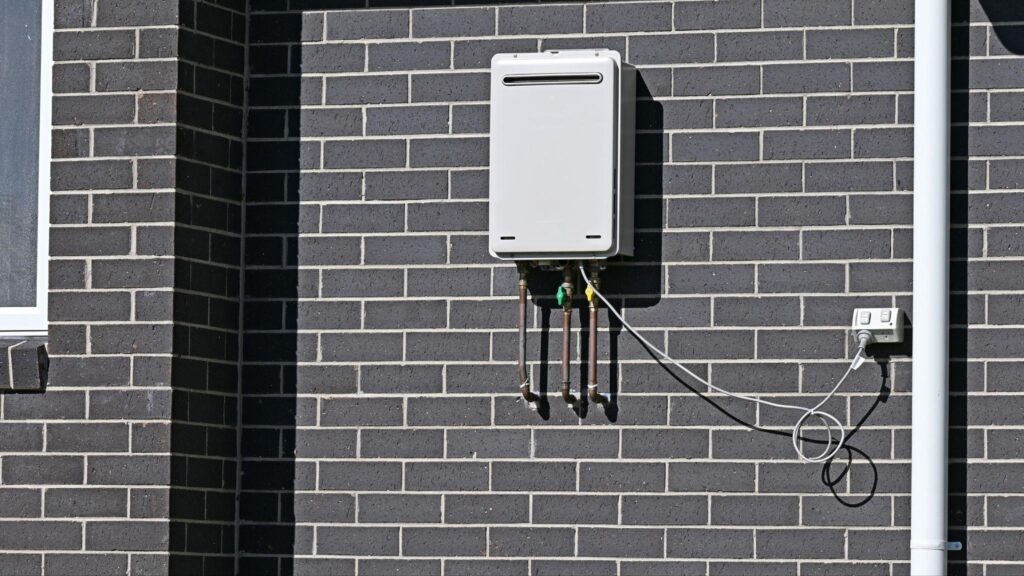
A tankless water heater changes the math of home hot water in a few real ways. Instead of keeping 150 to 200 litres warm around the clock, it fires up only when a tap opens. In an Alberta home, where basements sit cool and winters run long, cutting that constant reheating is where much of the appeal lives.
The switch asks something of you upfront, though. The unit itself costs more, and installation can involve new venting or a larger gas line. Setting the gains beside the costs shows whether the payback fits your household.
The upside
The strongest reasons homeowners make the move tend to cluster around three things:
- Endless supply. Hot water keeps coming as long as a tap runs, so back-to-back showers never end in a cold surprise.
- Longer service life. These units often run 15 to 20 years, roughly double a standard tank, when cared for properly.
- Reclaimed space. A compact wall unit clears the floor a bulky tank used to occupy, handy in a tight utility room.
The drawbacks
No system is perfect, and a straight answer serves you better than a sales pitch. The main sticking points are the higher entry price, a brief delay before hot water reaches the tap, and yearly service that isn’t optional in this province. Skip the upkeep and efficiency drops fast.
How the two stack up
A side-by-side view makes the difference clearer than any brochure:
|
Factor |
Tankless |
Storage Tank |
|
Upfront cost |
Higher |
Lower |
|
Lifespan |
15–20 years |
8–12 years |
|
Hot water supply |
Continuous |
Limited to tank size |
|
Standby energy loss |
None |
Ongoing |
|
Space needed |
Small, wall-mounted |
Large floor unit |
|
Yearly maintenance |
Required |
Recommended |
According to Natural Resources Canada, on-demand units are 30% more energy efficient than storage tanks in homes with moderate use. That gap is the quiet engine behind long-term savings, though the size of your monthly reward depends heavily on local conditions, which is where Alberta earns a closer look.
Cold Inlet Water and Hard-Water Upkeep in Alberta
The province throws two curveballs at any hot water system: frigid incoming water and minerals galore. A unit that thrives in milder regions can stumble here if it isn’t chosen and sized with local reality in mind. Knowing these hurdles ahead of time keeps you from paying for a system that underdelivers.
Cold water is the first hurdle
In winter, water entering your home can arrive close to freezing. A tankless unit has to lift that temperature much further than it would in a warmer province, and that extra work lowers its flow rate. Size the unit too small and you’ll notice weak output when two fixtures run at once. Two habits solve most of this:
- Choose a condensing model, which pulls more heat from the same fuel and holds up better against low inlet temperatures.
- Match the unit’s capacity to your peak demand, not your average, so a cold January morning never catches it short.
Hard water demands respect
Alberta’s mineral-rich supply leaves scale behind wherever it flows. Inside a heat exchanger, that buildup chokes efficiency and shortens the unit’s life. A yearly flush clears the deposits and keeps performance steady. Many owners pair their system with a water softener, which slows scale and stretches the time between services.
Who benefits most
The upgrade rewards some households more than others. A right-sized on-demand system tends to suit:
- Smaller homes and couples with steady, moderate use
- Owners who travel often and want zero waste while away
- Anyone short on space or planning a long stay in the home
Large families running several showers and appliances at once may still lean toward a tank, or two tankless units working together. Matching the system to how your home actually uses water is the real deciding factor, and it sets up the final question worth answering.
Matching the Right Water Heater to Your Household
For most Alberta households, a tankless system earns its keep, provided the fit is right. Endless hot water, a longer service life, and no standby waste make a strong case. None of it works, though, without honest attention to the province’s cold supply and hard water.
Treat the decision as a match, not a ruling. A smaller home with steady demand and an owner willing to book yearly service will likely love the switch. A busy household with heavy simultaneous use might find a tank simpler and easier on the budget. Weigh your habits, your space, and your appetite for upkeep, then choose with confidence. The right system quietly pays you back for the next two decades.