
Uneven airflow rarely feels like a major system failure at first. One room stays stuffy, another feels drafty, and the usual response is to blame the thermostat or close a few vents and hope the problem settles down. That quick fix often makes the imbalance worse. Inconsistent airflow is usually a sign that the system is not distributing air the way the building actually needs it distributed. Contractors troubleshoot that problem by looking beyond surface symptoms and tracing how air moves through the equipment, duct system, and occupied rooms as a connected whole.
Room Clues Matter Early
- Airflow Problems Start With Patterns
When contractors investigate inconsistent airflow between rooms, they do not begin with guesswork. They start by looking for patterns. Which rooms are affected, at what time of day, in what season, and under what operating conditions all matter. A room that is weak on airflow only in the late afternoon may point toward heat gain and duct exposure, while a room that struggles all day may indicate a sizing or balancing issue. Good troubleshooting depends on understanding whether the complaint is isolated, repeated, or tied to changes in runtime and load.
- Small Imbalances Point to Bigger Issues
This early pattern-matching stage helps separate random comfort complaints from actual distribution faults. A contractor may compare rooms by location, floor level, distance from the air handler, ceiling height, and sun exposure to determine whether the issue is rooted in the building layout or the air-delivery path. Teams that handle HVAC installation services for Mesa properties often see how climate, attic conditions, and room placement can magnify airflow complaints that would seem minor in milder environments. The room that feels undersupplied often tells a larger story about duct routing, pressure, or system resistance.
- Register Output Tells Only Part
A common mistake is to assume the vent itself is the problem because that is where occupants feel the symptom. Contractors do check supply registers, but not as a final answer. They look at how much air is coming out, whether the register is obstructed, and whether the grille size and throw pattern suit the room. A weak register can confirm the complaint, but it does not, by itself, explain the cause. Airflow can fall off at the vent due to an upstream restriction, poor system balance, or pressure issues elsewhere in the house or building.
That distinction matters because replacing a grille or adjusting louvers may create only a temporary improvement. Contractors want to know whether the register is the weak point or merely the visible end of a deeper issue. If one room has low airflow and another has too much, the problem is often an imbalance in distribution rather than a simple supply volume issue. That requires a broader diagnostic approach than a quick visual check at the room level.
- Duct Layout Often Shapes Comfort
Duct design is one of the most common reasons airflow varies from room to room. Contractors assess how trunk lines branch, how far each run extends, whether the flex duct is properly stretched, and whether turns are too sharp or restrictive. Rooms located at the end of long runs or fed by poorly routed branches often receive less airflow than rooms closer to the blower. The farther the air has to travel through resistance, the harder it becomes to deliver evenly.
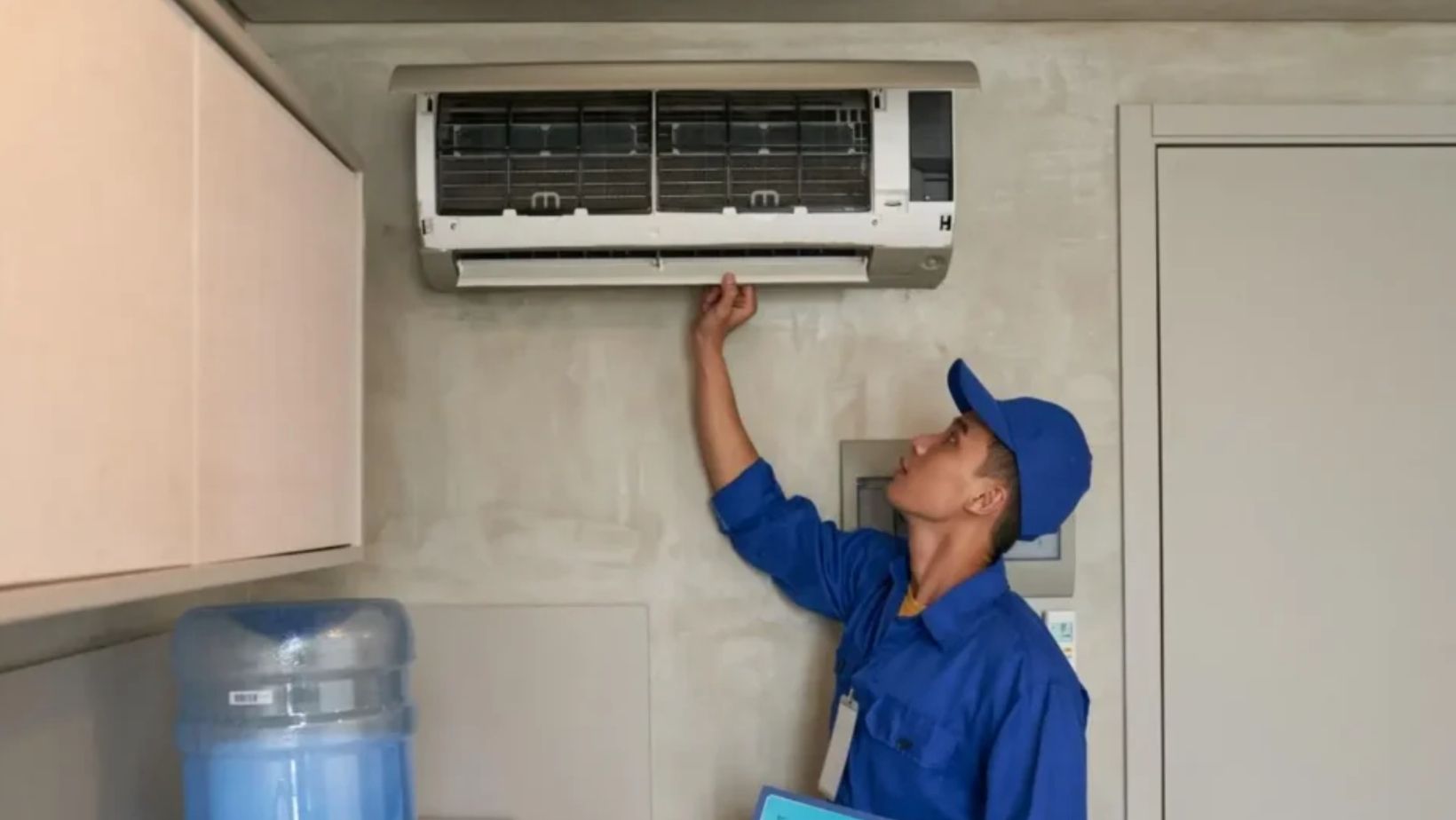
This is why troubleshooting inconsistent airflow often involves physically inspecting accessible duct sections in attics, crawl spaces, basements, or ceiling cavities. Contractors look for crushed flex duct, disconnected joints, poor transitions, undersized branches, and sagging sections that add resistance. Air does not distribute evenly just because every room has a vent. It distributes according to the path of least resistance, and poorly configured ductwork often pushes more air toward easier routes while starving harder-to-reach spaces.
- Static Pressure Reveals Hidden Resistance
Experienced contractors do not rely on feel alone when evaluating airflow. They use static pressure testing to understand how hard the system is working to move air. High static pressure can indicate that the blower is pushing against excessive resistance in the duct system, filter setup, coil, or return pathway. That pressure problem can reduce delivered airflow throughout the building and create especially noticeable issues in rooms already at a disadvantage.
This step matters because airflow complaints are often blamed on equipment weakness when the actual issue is restricted movement. A system may have a functioning blower and still perform poorly if it is trapped in a high-resistance setup. By measuring pressure, contractors can tell whether the problem is localized to a few branches or tied to the whole system. That shapes the next step of the diagnosis and helps avoid unnecessary part replacement.
- Return Air Problems Skew Distribution
Many airflow complaints are blamed on supply ducts when the return side is contributing to the problem. Contractors check whether the system has enough return capacity, whether return grilles are blocked, and whether room doors create pressure imbalances when closed. A bedroom with a supply vent but a poor return path may receive air, yet still feel stagnant because the air cannot circulate back effectively. In that case, the room feels uncomfortable not just because of low delivery, but because the pressure relationship is off.
Closed interior doors can make this issue more pronounced, especially in newer or tighter buildings. Contractors may test rooms with doors open and closed to assess how changes in pressure affect comfort and airflow. If one room consistently performs worse when isolated, that points toward return limitations or pressure imbalance rather than just weak supply. Troubleshooting becomes more accurate when the whole air loop is evaluated, not just the part occupants can see.
Durable Fixes Depend On Diagnosis
Inconsistent airflow between rooms is one of those HVAC complaints that invites shortcuts. Occupants feel the problem at the vent, so the temptation is to make a vent-level fix and move on. Contractors who solve it well take a broader view. They assess patterns, test pressure, inspect duct layout, verify return performance, and account for how the building itself influences comfort. That process takes more discipline, but it leads to answers that hold up.
Reliable airflow is not just about stronger blowing equipment. It is about controlled, balanced delivery through a system that fits the structure it serves. When contractors properly troubleshoot uneven airflow, they do more than improve one uncomfortable room. They restore system logic, reduce strain on the equipment, and give building owners a clearer path toward consistent comfort across the entire property.

