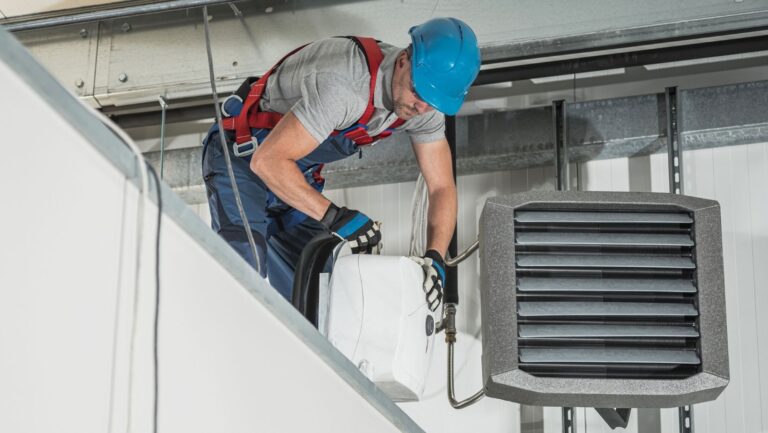
In the bustling world of construction and building management, mechanical, electrical, and plumbing (MEP) systems are the unsung heroes. They work tirelessly behind the scenes, ensuring that everything runs smoothly. Imagine a building without proper plumbing—let’s just say, nobody wants to be the one to explain why the restroom is out of order!
Overview of Mechanical Electrical Plumbing
Mechanical, electrical, and plumbing (MEP) systems represent essential components of building infrastructure. These systems include extensive networks that facilitate heating, ventilation, air conditioning, electrical distribution, and water supply.
Mechanical systems play a pivotal role in regulating temperature and air quality. They encompass equipment like boilers, chillers, and HVAC units. Electric systems power lighting, communications, and essential appliances found in various spaces.
Plumbing manages water distribution and waste drainage effectively. It integrates pipes, fixtures, and fittings to ensure the safety and health of occupants. Each of these elements relies on proper design, installation, and maintenance to function optimally.
Collaboration among MEP engineers ensures seamless integration of these systems. Successful implementation leads to energy efficiency, cost savings, and enhanced comfort in buildings. Understanding MEP systems not only benefits construction professionals but also informs building owners and managers who oversee daily operations.
Statistical data underscores their importance. Studies reportedly find that efficient MEP systems can reduce energy consumption by 20-30%. Such savings contribute to environmental sustainability and lower operational costs.
Ensuring MEP systems meet local codes and standards safeguards health and safety. Regulations outline performance criteria, guiding the design and assessment process. Adhering to these guidelines helps prevent costly fines and legal issues.
Revisiting maintenance procedures for MEP systems proves vital for long-term functionality. Routine inspections, repairs, and updates enhance reliability, extending system lifespans. When managed properly, MEP systems foster optimal building performance.
Importance of Mechanical Electrical Plumbing
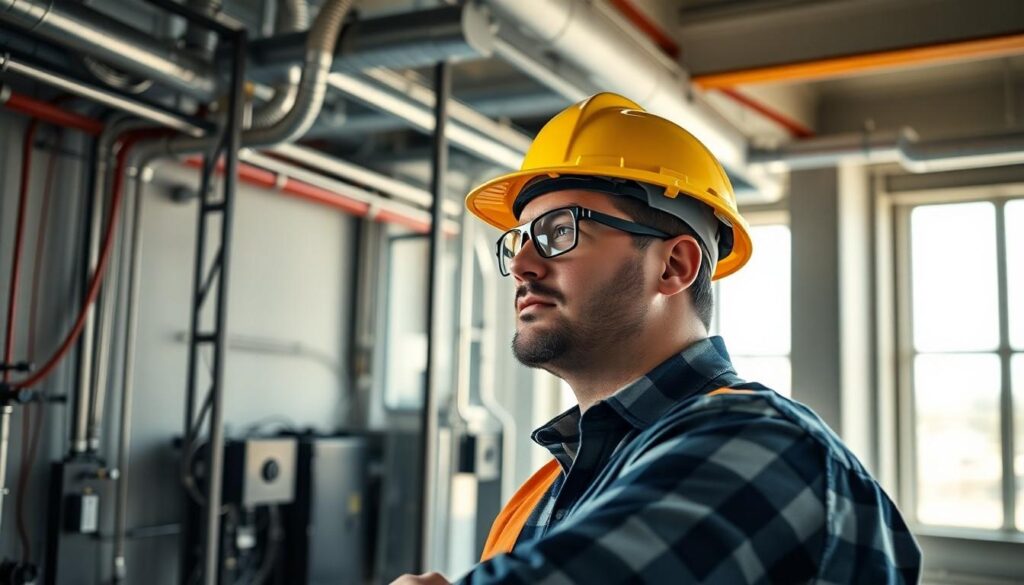
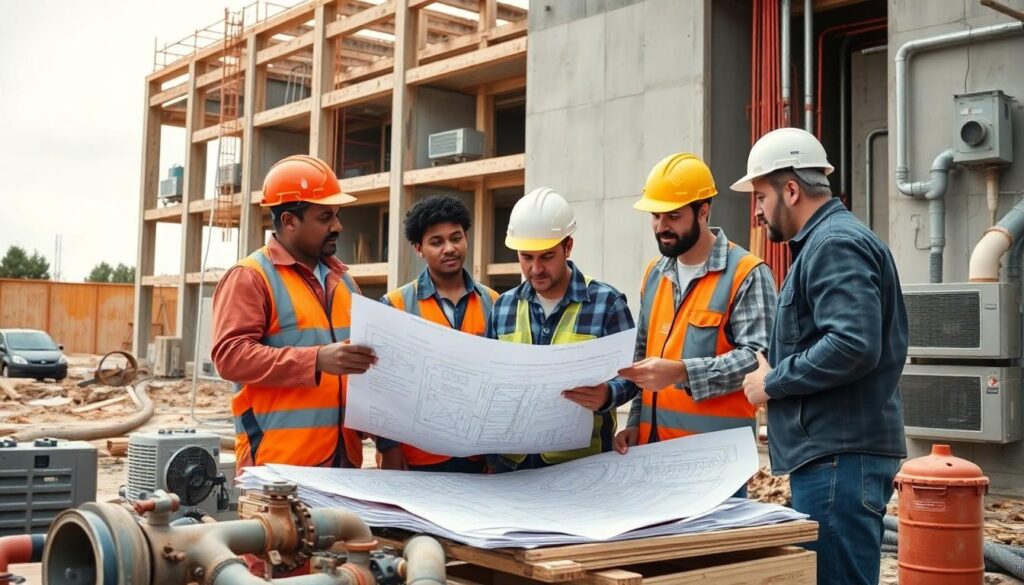
Mechanical, electrical, and plumbing systems play a vital role in maintaining a building’s efficiency and safety. Their effective integration ensures optimal performance and occupant comfort.
Efficiency and Sustainability
Energy efficiency stands as a primary benefit of advanced MEP systems. Efficient designs and technology can reduce energy consumption by 20-30%. Sustainable plumbing practices, like low-flow fixtures, minimize water waste. Systems that regulate heating and cooling enhance indoor air quality while lowering utility costs. Furthermore, energy-efficient electrical configurations reduce overall load and extend appliance lifespan. Integration of smart technologies fosters real-time monitoring, allowing for proactive adjustments. Continued collaboration among MEP engineers leads to innovative designs and streamlined workflows, ultimately promoting sustainable building practices.
Safety Considerations
Safety remains a paramount concern in MEP systems. Improper installation can lead to significant risks, such as water leaks and electrical hazards. Compliance with local codes and industry standards ensures safe operation and minimizes liability. Regular inspections catch potential issues before they escalate. Proper plumbing management safeguards against contamination, maintaining healthy water supply. Adequate ventilation prevents the accumulation of harmful gases, protecting occupants’ health. Strong collaboration among MEP professionals enhances reliability and safety protocols. Prioritizing these considerations leads to secure and comfortable living and working environments.
Components of Mechanical Electrical Plumbing
MEP systems consist of three primary components: mechanical systems, electrical systems, and plumbing systems. Each component plays a critical role in ensuring effective building performance.
Mechanical Systems
Mechanical systems control heating, ventilation, and air conditioning. These systems maintain optimal indoor air quality and temperature. For instance, a well-designed HVAC system can reduce energy costs by 20-30%. Moreover, regular maintenance ensures efficient airflow and prevents breakdowns. Professionals utilize various equipment, including boilers, air handlers, and ductwork. Proper installation and control of mechanical systems enhance comfort while promoting energy savings.
Electrical Systems
Electrical systems provide power for lighting and essential appliances. They include wiring, circuit breakers, and transformers, ensuring safety and reliability. Equipment selection impacts efficiency levels directly. Energy-efficient lighting solutions, such as LEDs, can significantly cut down energy consumption. Furthermore, smart technologies, like programmable thermostats and energy monitors, allow for real-time usage tracking. A focus on proper electrical system design minimizes risks associated with overloads and outages, crucial for safety.
Plumbing Systems
Plumbing systems encompass water supply, drainage, and waste management. These systems ensure hygiene and health by preventing contamination. Installation of low-flow fixtures helps conserve water, reducing waste. Proper drainage systems prevent clogs and backups. Regular inspections identify potential leaks and issues while maintaining compliance with local codes. Effective management of plumbing systems contributes to overall building safety and occupant comfort.
Applications in Various Industries
Mechanical, electrical, and plumbing systems serve crucial roles across multiple industries. Their effective integration ensures functionality, safety, and energy efficiency.
Residential Applications
In residential settings, MEP systems enhance comfort and convenience. Heating, ventilation, and air conditioning control indoor climate, ensuring that households maintain a pleasant atmosphere year-round. Electrical systems supply power for lighting, appliances, and home entertainment. Plumbing systems provide clean water for drinking and bathing while efficiently managing waste drainage. Proper installation and regular maintenance improve energy efficiency while promoting health and safety.
Commercial Applications
Commercial buildings rely heavily on MEP systems to support day-to-day operations. These structures utilize HVAC systems for climate control, ensuring employee comfort and productivity. Lighting solutions, including energy-efficient LEDs, reduce utility costs while enhancing workplace ambiance. Plumbing systems handle high volumes of water use in restrooms and kitchens, contributing to cleanliness and hygiene standards. Regular inspections and updates maintain compliance with industry standards and promote building efficiency.
Industrial Applications
In industrial environments, MEP systems facilitate complex operations. HVAC systems manage air quality and temperature in manufacturing facilities, optimizing worker safety and product quality. Electrical systems provide the necessary power for machinery, production lines, and safety equipment. Plumbing systems support large-scale water management for processes, cooling, and waste disposal. Rigorous maintenance practices ensure reliability and minimize downtime, enhancing overall operational efficiency across industrial sectors.
Future Trends in Mechanical Electrical Plumbing
Emerging innovations in mechanical, electrical, and plumbing (MEP) systems shape the future of building design and management. Smart technologies play a pivotal role in enhancing efficiency and functionality. These solutions enable real-time monitoring, allowing systems to adapt and optimize energy consumption based on demand.
Sustainable practices gain traction within the MEP sector. Low-flow fixtures and efficient heating systems reduce resource usage while minimizing environmental impact. Transitioning towards renewable energy sources, such as solar power for electrical systems, strengthens energy independence and reduces greenhouse gas emissions.
Automation leads to more responsive buildings. Integrated systems communicate seamlessly, enhancing occupant comfort and energy management. Advanced software tools allow MEP engineers to design coordinated systems that function harmoniously, streamlining workflows and minimizing disruptions during installation.
Further, predictive maintenance techniques emerge as a standard practice. Utilizing data analytics, facilities managers can anticipate potential failures in plumbing and HVAC systems before they occur, saving time and costs associated with major repairs. Regular inspections supported by data-driven insights enhance safety and reliability.
In addition, the focus on health and safety continues to grow. Improved indoor air quality standards drive the demand for advanced ventilation systems that filter harmful particles and gases. Increased collaboration among MEP professionals leads to more comprehensive safety measures and compliance with evolving industry standards.
Lastly, the integration of augmented reality (AR) tools transforms training and maintenance processes. These technologies enable technicians to visualize complex MEP layouts, facilitating effective troubleshooting and repairs, ensuring systems operate smoothly.