Imagine walking into your home and having the lights turn on, your favorite music start playing, and the thermostat adjust to your perfect temperature—all without lifting a finger. Sounds like magic, right? Well, it’s not. With home automation powered by Raspberry Pi, it’s just a few lines of code away. This tiny powerhouse can transform a regular house into a smart home faster than you can say “where’s the remote?”
Raspberry Pi isn’t just for tech whizzes and coding geniuses. Even if your idea of high-tech is a microwave with a timer, you can dive into the world of home automation. From controlling lights to managing security systems, it’s all possible. So grab your Pi, roll up your sleeves, and get ready to impress your friends with your newfound tech-savvy skills. Who knew home automation could be this fun?
Overview of Home Automation
Home automation involves integrating technology into everyday tasks to increase convenience and efficiency. Raspberry Pi serves as a versatile platform for creating smart home systems. Many users appreciate its affordability, enabling low-cost automation solutions. Essential functions include controlling lights, adjusting thermostats, and managing security systems.
Flexibility is a key advantage of home automation with Raspberry Pi. Users can customize their setups based on specific needs and preferences. Popular applications include smart lighting, which allows users to control brightness remotely. Smart security systems provide real-time monitoring and alerts, enhancing home safety.
Various protocols support home automation, ensuring seamless device communication. For instance, Wi-Fi, Zigbee, and Z-Wave have emerged as common standards. Each protocol brings unique benefits, depending on the specific application. Also, integrating sensors further enhances automation. Temperature sensors can enable climate control, while motion sensors add layers of security.
User-friendly software simplifies the setup process. Platforms like Home Assistant and OpenHAB allow effortless management of connected devices. Users benefit from extensive documentation and community support for troubleshooting and implementing new features.
As people embrace automation, the potential for innovation continues to grow. Home automation systems can expand to include voice control, enhancing usability. The possibilities truly seem endless when combined with a Raspberry Pi. Exploring these options can lead to a smarter, more efficient home.
Benefits of Home Automation with Raspberry Pi
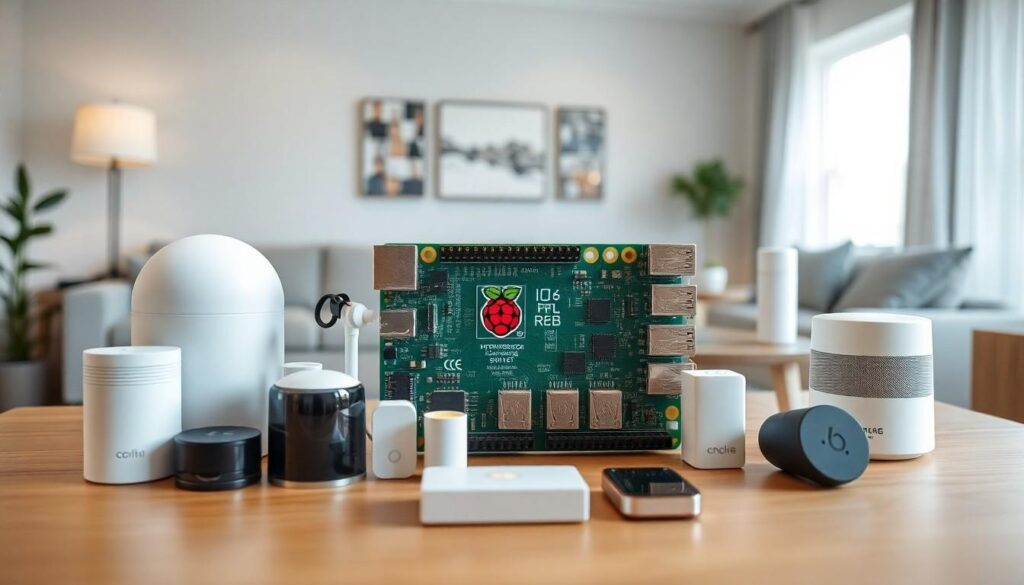
Home automation with Raspberry Pi offers multiple advantages, making it an appealing choice for enhancing modern living. Users enjoy greater control and convenience through smart technology.
Cost-Effectiveness
Raspberry Pi provides an affordable solution for home automation. Typically priced under $50, it stands out against high-end smart home systems. Implementing automation requires minimal investment, as it leverages existing devices instead of purchasing specialized hardware. The open-source nature of Raspberry Pi fosters a vibrant community, leading to numerous free or low-cost software options available for users. Sustained by energy-efficient operation, automated systems lead to long-term savings on utility bills. Overall, financial accessibility drives more individuals to explore smart home innovations.
Customization Options
Customization plays a key role in the appeal of home automation. Raspberry Pi supports diverse projects tailored to individual preferences and needs. With its flexibility, users can choose specific devices, sensors, and integrations that fit their lifestyle. Popular software platforms, such as Home Assistant, provide extensive options for configuring automation scenarios. Users can prioritize features, like voice control or motion detection, ensuring systems align with personal routines. Scaling projects as needs change remains straightforward, allowing users to craft a truly unique smart home experience.
Key Components for Home Automation
Raspberry Pi serves as the foundation for home automation projects. Different models cater to various needs, making it easier to choose the right one.
Raspberry Pi Models
The Raspberry Pi 4 Model B stands out due to its powerful performance and multiple connectivity options. Others, like the Raspberry Pi Zero W, deliver compact size and flexibility for specific applications. Each model supports various RAM sizes and USB ports, allowing for tailored usage based on individual requirements. Users benefit from the option to use models that align best with their project complexity and budget.
Essential Accessories
Essential accessories enhance the home automation experience. Power supplies compatible with Raspberry Pi ensure stable operation. GPIO extensions enable connections with additional sensors and modules, expanding capabilities for customized setups. Additionally, Wi-Fi and Ethernet adapters provide internet connectivity, crucial for remote control features. Components such as relay modules allow for seamless integration with household devices, further enhancing automation potential. With careful selection of accessories, users elevate their smart home systems significantly.
Setting Up Your Home Automation System
Setting up a home automation system with Raspberry Pi involves several key steps. Proper installation and configuration ensure smooth operation.
Installing the Operating System
Raspberry Pi requires an operating system for home automation tasks. Raspberry Pi OS, a preferred choice, provides essential features and ease of use. Installation starts by downloading the Raspberry Pi Imager from the official website. After that, users select the operating system and target device, such as a microSD card. Upon completion, inserting the microSD card into the Raspberry Pi powers on the device. Configuration includes connecting it to a monitor and keyboard. Once the initial setup wizard appears, selecting preferences customizes the experience. Users can also install additional software for enhanced functionality, ensuring a robust automation platform.
Configuring Smart Devices
Integrating smart devices with Raspberry Pi is crucial for maximum efficiency. First, identifying compatible devices simplifies the configuration process. Many devices utilize Wi-Fi, Zigbee, or Z-Wave protocols. Once the devices are chosen, installing user-friendly platforms like Home Assistant streamlines connections. Device discovery tools automatically detect and configure devices, minimizing manual setup. After devices appear in the interface, users adjust settings according to personal preferences. Scheduling actions or creating automation rules increases convenience. Lastly, testing device responses ensures everything is functioning as intended, providing a reliable smart home environment.
Popular Home Automation Projects
Home automation projects using Raspberry Pi offer exciting opportunities for enhancing everyday living. Two standout categories include smart lighting systems and home security systems.
Smart Lighting System
Smart lighting systems provide flexibility in controlling illumination. Users can manage lights remotely or through schedules, adjusting brightness or color to match moods and activities. Integrating motion sensors enhances convenience, allowing lights to respond automatically to movement. For setup, Raspberry Pi interfaces with smart bulbs or traditional fixtures via relay modules. Many opt for platforms like Home Assistant to streamline interactions. This combination enables energy-saving features and automation routines. Overall, the cost for a smart lighting system remains manageable, often totaling under $100 depending on chosen fixtures and accessories.
Home Security System
Home security systems elevate household safety with automation features. Raspberry Pi can connect to cameras, door sensors, and alarms, providing real-time monitoring. Users gain access to live feeds and alerts through mobile apps, ensuring peace of mind. Integrating devices like motion detectors and door/window sensors creates a comprehensive security environment. Setting up this system typically involves configuring Raspberry Pi with compatible software such as MotionEyeOS. Budget-friendly options exist, with many setups costing around $150, factoring in cameras and sensors. With these systems in place, homeowners enhance security while enjoying the convenience of remote management.
Challenges and Solutions
Home automation with Raspberry Pi presents various challenges, yet practical solutions exist.
Common Issues
Connectivity problems frequently arise when using multiple devices. Outdated firmware can lead to communication failures. Incompatible hardware might hinder integration attempts, affecting overall functionality. Power management also poses challenges, particularly with numerous devices demanding resources. Furthermore, network security issues can expose systems to risks if not properly addressed. Users often encounter difficulties with software configurations as well.
Troubleshooting Tips
Start troubleshooting by checking device connections and ensuring power supply is stable. Verify the firmware is up to date for all devices, enhancing compatibility. Use diagnostic tools available through software platforms for easier identification of issues. Resetting devices can resolve temporary connectivity problems quickly. Reviewing network settings for proper configuration supports seamless communication. Finally, engaging with online communities provides access to shared experiences and solutions, fostering continued learning and troubleshooting.
Home automation with Raspberry Pi opens up a world of possibilities for enhancing everyday living. By leveraging this affordable and versatile platform, anyone can create a customized smart home that suits their unique needs. The integration of various devices and protocols allows for seamless control and monitoring, making life more convenient and efficient.
As users explore popular projects like smart lighting and security systems, they can experience the satisfaction of building their own solutions. With a supportive community and numerous resources available, the journey into home automation is not only accessible but also enjoyable. Embracing this technology can lead to a smarter home that adapts to individual lifestyles.