Fire safety is one of the most critical aspects of modern building design. Whether in homes, offices, schools, or industrial facilities, protecting people and property from the devastating effects of fire is a responsibility shared by architects, building managers, and property owners alike. Among the many safety measures available, fire doors remain one of the most effective and often overlooked solutions for preventing the spread of fire and smoke within a building.
While smoke detectors and fire alarms provide early warning, structural safety features like fire-resistant walls and doors work silently in the background, slowing down fires and allowing occupants more time to evacuate safely. Understanding how fire doors work and why they are essential can help property owners make better decisions about protecting their buildings.
Understanding Fire Doors
A fire door is a specially engineered door designed to resist fire and smoke for a specific period of time. These doors are tested and certified to withstand heat and flames for durations such as 30, 60, 90, or even 120 minutes.
Unlike standard doors, fire doors are part of a complete system that includes the door frame, seals, hinges, and closing mechanisms. Each component works together to maintain the door’s integrity during a fire. When properly installed and maintained, these systems help prevent flames and toxic smoke from spreading rapidly through corridors and rooms.
Most buildings rely on fire doors as part of their passive fire protection strategy. Passive protection systems are designed to contain fires within specific compartments, slowing their spread and protecting evacuation routes such as stairwells and hallways.
In other words, fire doors buy time, and in an emergency, time can save lives.
Why Fire Doors Matter for Safety
One of the most dangerous aspects of a fire is not always the flames themselves, but the smoke and toxic gases that spread quickly throughout a building. Fire doors act as barriers that restrict both flames and smoke from moving between different areas.
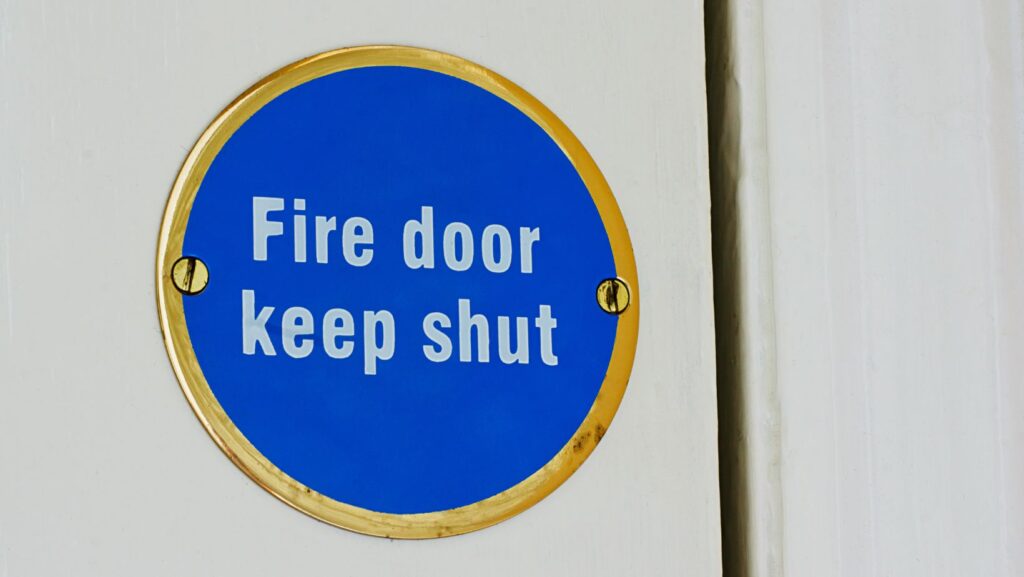
By compartmentalizing the building, fire doors help isolate the fire to its point of origin. This containment gives occupants valuable time to evacuate and allows emergency responders to control the situation more effectively.
Without properly functioning fire doors, fires can spread rapidly through open hallways and staircases, turning escape routes into dangerous pathways.
This is why many building regulations around the world require fire doors in commercial properties, apartment buildings, and other multi-occupancy structures.
How Fire Doors Work
Fire doors rely on several key design features that make them effective during emergencies.
First, they are constructed with fire-resistant materials such as solid timber cores, steel, or specialized composite materials. These materials allow the door to resist extreme temperatures without collapsing.
Second, fire doors include intumescent seals around their edges. When exposed to high heat, these seals expand and fill the gaps between the door and the frame. This prevents smoke and flames from passing through the openings.
Third, most fire doors are equipped with automatic closing mechanisms. These ensure the door closes fully after being opened, maintaining the protective barrier that prevents fire from spreading.
Together, these elements create a reliable system that can hold back flames long enough for occupants to escape and emergency crews to respond.
Fire Door Ratings Explained
Fire doors are categorized by their fire-resistance rating, which indicates how long they can withstand fire exposure.
Some common ratings include:
- FD30: Provides approximately 30 minutes of fire resistance
- FD60: Provides about 60 minutes of protection
- FD90 and FD120: Used in high-risk environments requiring longer containment periods
In many buildings, FD30 and FD60 doors are the most commonly used because they typically provide enough time for safe evacuation.
The appropriate rating depends on the building’s design, occupancy type, and fire risk assessment.
Where Fire Doors Are Typically Installed
Fire doors are strategically placed throughout buildings to protect critical areas and evacuation routes.
Common locations include:
- Stairwells and emergency exits
- Corridors in apartment buildings and hotels
- Entry points to plant rooms and electrical rooms
- Between garages and residential areas
- Hospitals, schools, and office buildings
By placing fire doors at these key points, buildings can create compartments that limit fire spread and protect escape routes.
The Importance of Proper Installation
Even the highest-quality fire door will fail if it is not installed correctly.
Fire doors must be installed by qualified professionals who understand fire safety standards and certification requirements. In many jurisdictions, building regulations require certified installers to ensure compliance with fire safety laws.
Installation involves more than simply fitting a door into a frame. The entire door assembly, including hinges, latches, seals, and frames, must be tested as a system.
Incorrect installation can compromise the door’s performance and render it ineffective during a fire.
This is why working with experienced specialists is essential when installing or upgrading fire protection systems.
Maintenance and Regular Inspections
Fire doors require regular inspections to remain effective. Over time, wear and tear can affect hinges, seals, and closing mechanisms.
Routine maintenance checks should ensure that:
- Doors close fully without obstruction
- Seals remain intact and undamaged
- Hinges and hardware function properly
- No unauthorized modifications have been made
Propping fire doors open, removing self-closing devices, or damaging seals can significantly reduce their effectiveness.
Building managers and property owners should treat fire door inspections as a routine part of their safety protocols.
Choosing the Right Fire Doors
When selecting fire doors, property owners must consider several factors:
- Fire rating requirements
- Building regulations and safety codes
- Location and risk level within the building
- Aesthetic integration with existing design
Working with specialists who understand fire protection systems ensures the right solution is installed for each property.
For buildings that require certified and compliant solutions, professionally installed fire doors play a crucial role in protecting both people and property.
Final Thoughts
Fire safety is not just about alarms and extinguishers. Structural measures like fire doors are among the most important defenses a building can have against a fire emergency.
By slowing the spread of flames and smoke, fire doors create safer evacuation routes, reduce property damage, and provide emergency responders with critical time to control a fire.
For property owners, building managers, and developers, investing in proper fire protection measures is not just a regulatory requirement, it is a responsibility that can save lives.
As buildings become larger and more complex, the importance of passive fire protection systems like fire doors will only continue to grow. Proper installation, maintenance, and compliance with safety standards ensure that these essential barriers perform exactly as they are designed to do when it matters most.